 SAVE
Impact
What SAVE has achieved since 2024. Where many contributed, we say so: we claim contributions, not sole authorship.
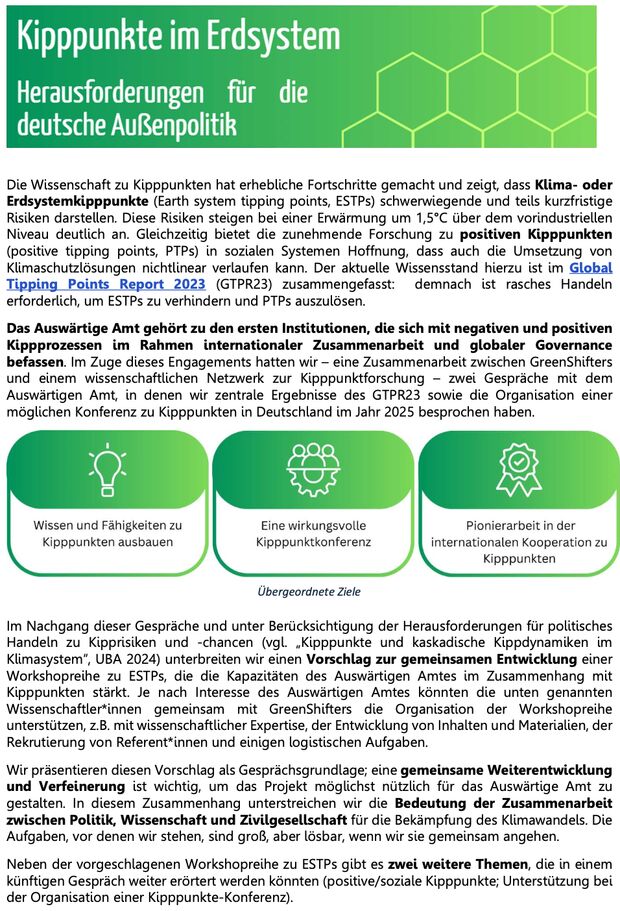
Tipping point science reaches the German government
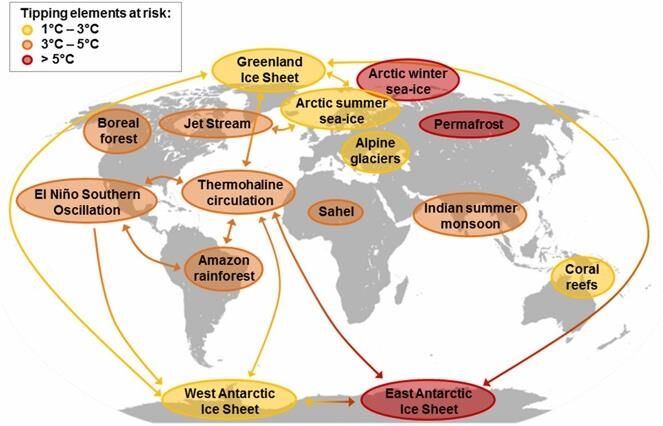
It started with an email to the team of then Foreign Minister Annalena Baerbock. That email led to meetings for which we translated research on the planetary commons, UN reform and Earth system tipping points into policy recommendations.
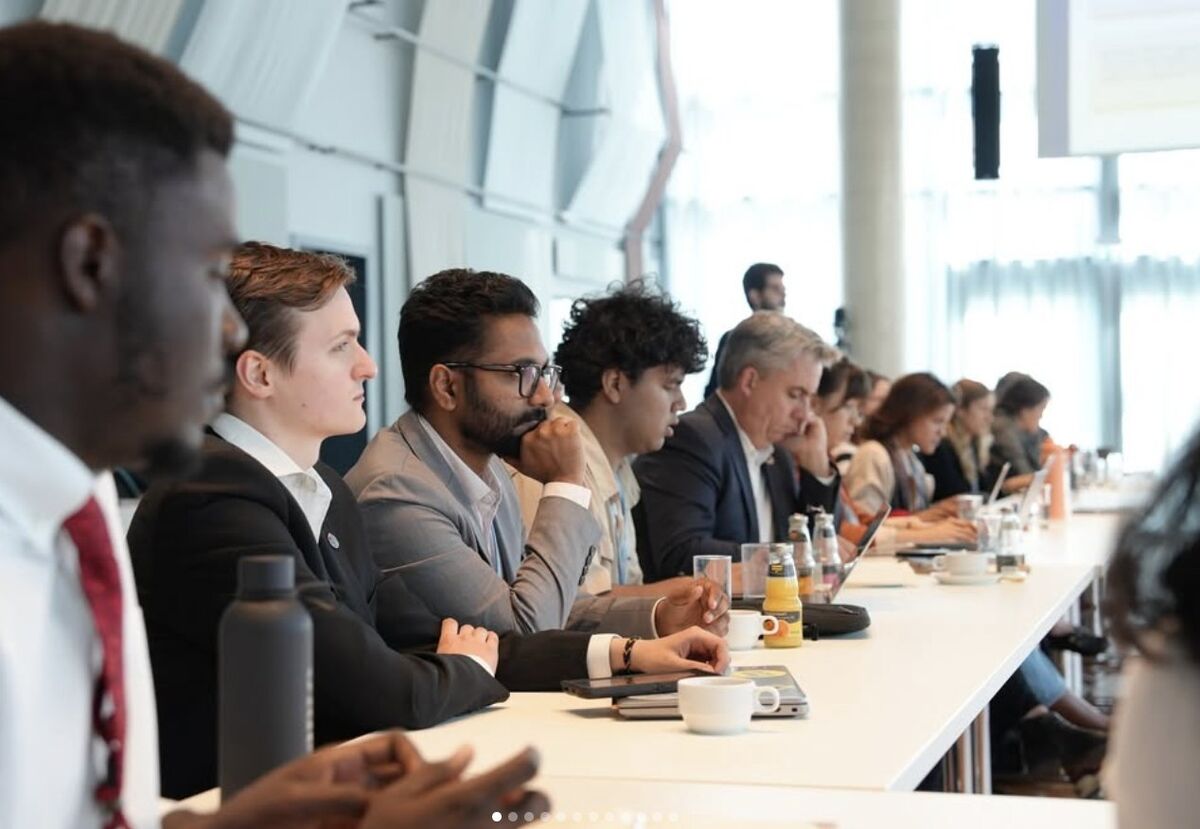
- May 2025: a four-hour workshop with tipping point researchers for staff of two federal ministries, with science and policy seated 50:50 at the table.
- Autumn 2025: shortly after the Global Tipping Points Report 2025 was published, three lead authors briefed more than 40 BMZ and GIZ staff on SAVE’s initiative. BMZ then planned a follow-up format.
- Federal Foreign Office: a briefing on the planetary commons for the team at the Foreign Office.
The Bundestag’s first debate on climate tipping points
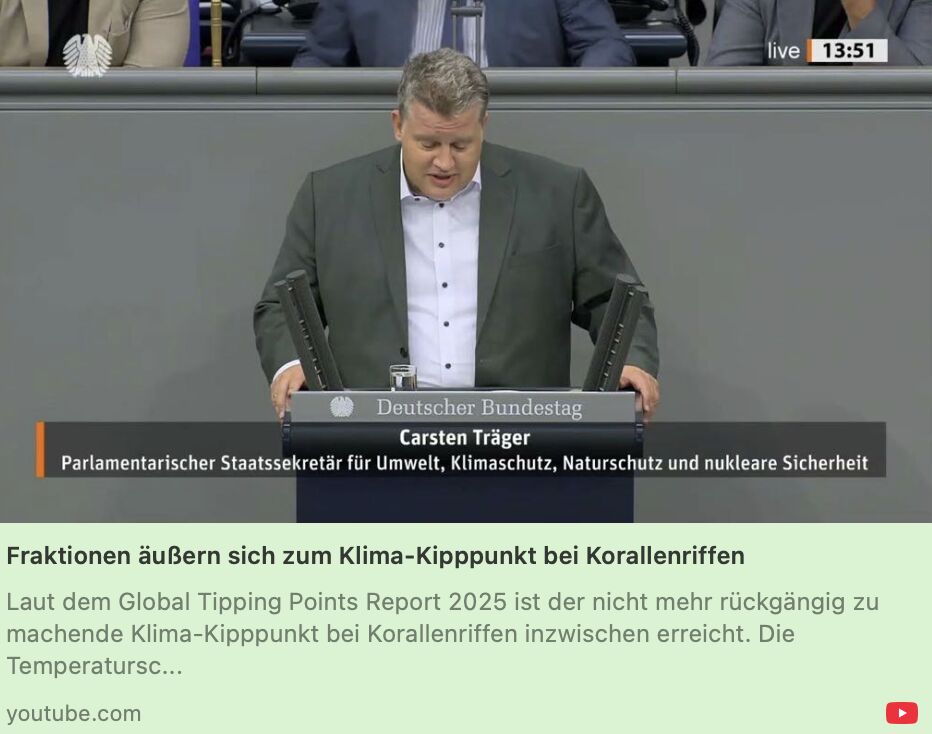
One week after the Global Tipping Points Report 2025 was published, the Bundestag debated climate tipping points for the first time in an Aktuelle Stunde. Every democratic parliamentary group spoke positively about the report. SAVE had worked for a long time to put the issue on the parliamentary agenda, alongside many other actors.
A direct line into the European Commission
- Meetings with EU Climate Commissioner Wopke Hoekstra in Brussels and at COP30 in Belém, including a six-hour working day at the Commission.
- A ten-page policy memorandum and executive brief for DG CLIMA and Cabinet Hoekstra on six regulatory instruments for managing Earth system tipping points.
- Around 100 concrete recommendations and readings for DG CLIMA staff.
- Confirmed follow-up meetings and a continuing dialogue with the EU negotiating team for the UN climate conferences.
At the UN climate conferences
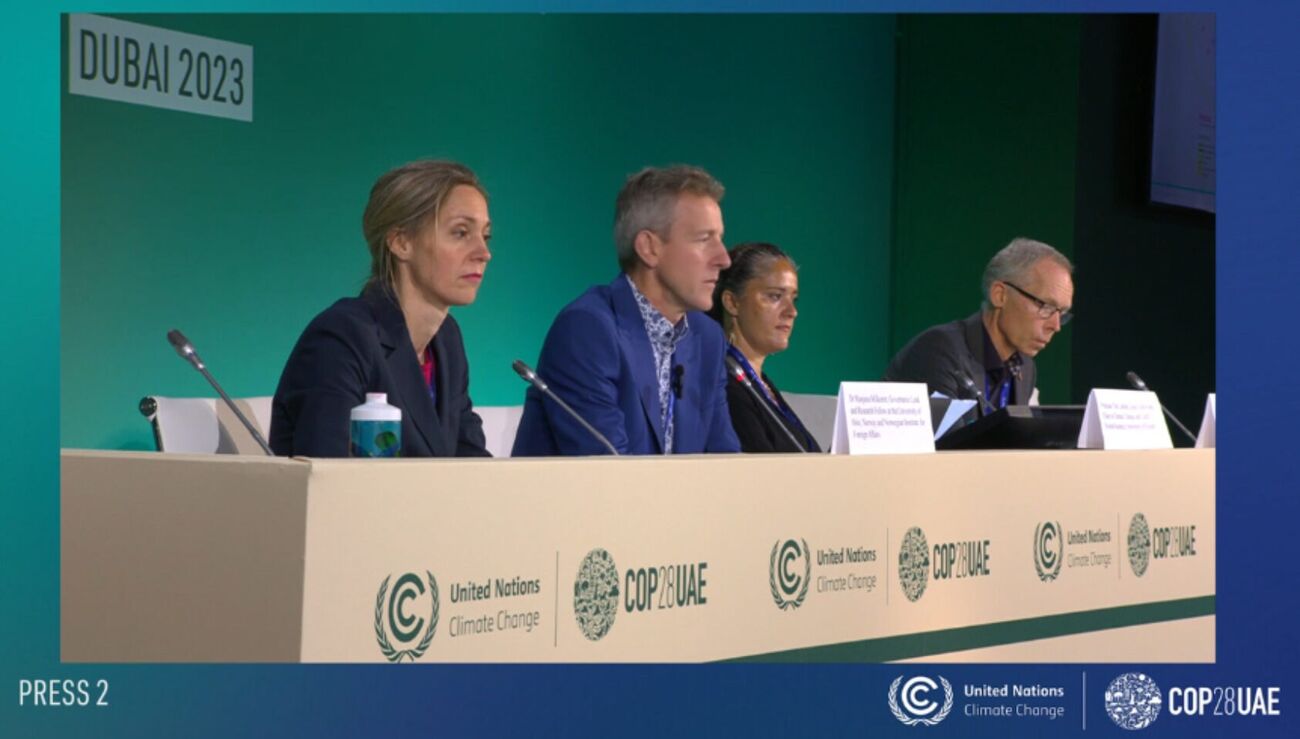
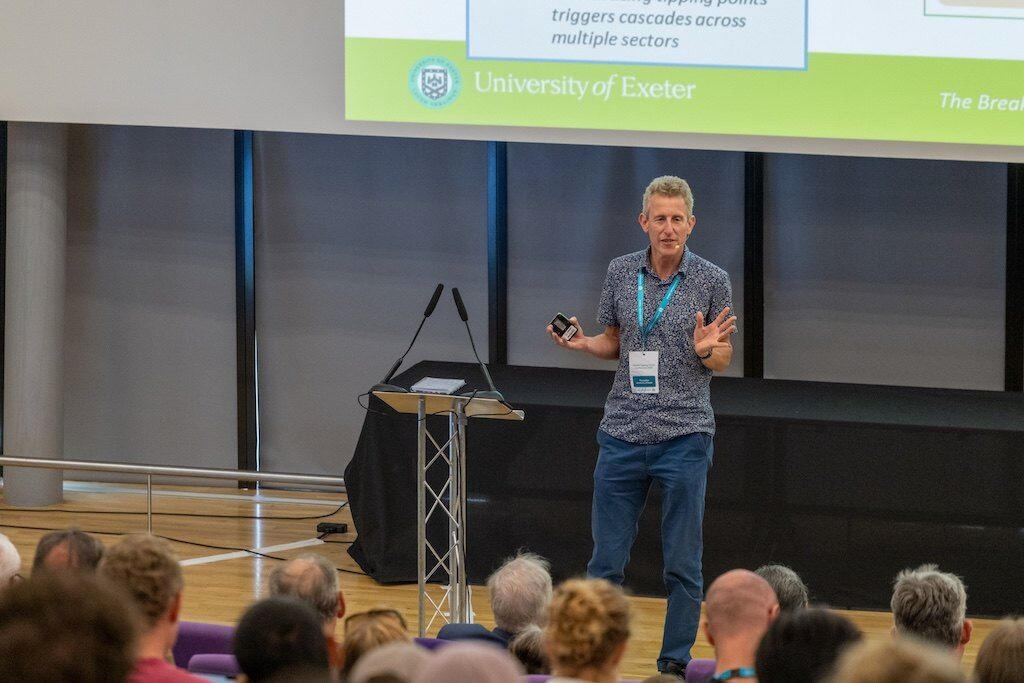
- COP30, Belém: side events on planetary and social tipping points and a meeting with the COP30 President. After a working meeting with Professor Tim Lenton and the COP30 Action Agenda team, tipping point approaches were taken up in Action Agenda planning.
- SB64, Bonn (June 2026): participation in an official meeting on the Global Ethical Stocktake with the COP30 President and the CEO of the COP30 Executive Direction.
- European Parliament: via CAN Europe, we joined a meeting between MEPs and the Colombian government, which was preparing the first conference on transitioning away from fossil fuels in Santa Marta (April 2026).
- ICJ advisory opinion: we support the process around the UN General Assembly resolution that follows the International Court of Justice’s advisory opinion on climate change.
Organisations and people who became more effective with us
- PRÜF achieved its goal of using the GFF study more effectively after our advice; the Minister-Presidents of North Rhine-Westphalia and Baden-Württemberg backed its demands.
- With our help, the National Risk Summit by Scientists4Future secured Johan Rockström as a speaker, along with volunteers, media partners, allies and venues in Berlin.
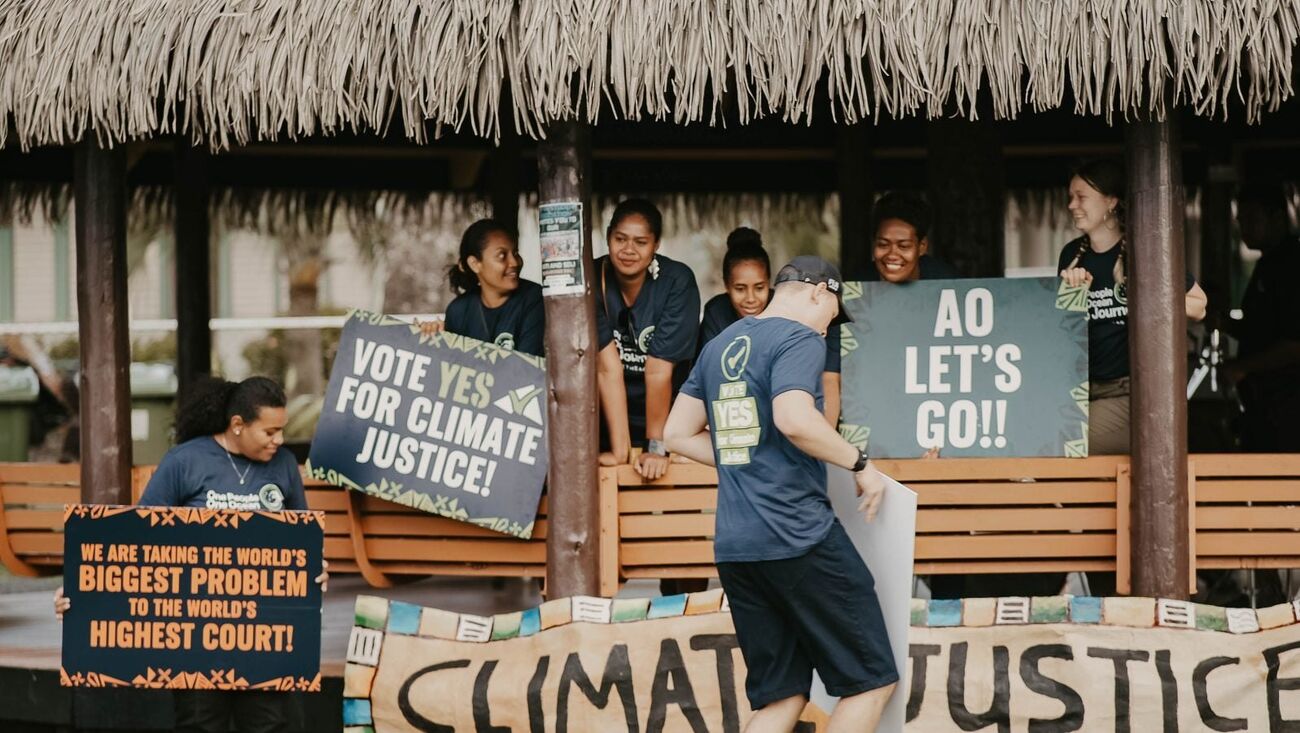
- World Youth for Climate Justice, whom we advised, received the Alternative Nobel Prize for their ICJ campaign.
- Funding brokered for nationaler-risiko-gipfel.de, MapOfChange.org and rightsroots.org.
- Preparation of Maylis Roßberg for the Maastricht Debate ahead of the 2024 European elections, and of Luisa Neubauer for her meeting with MEP Peter Liese on emissions trading.
- Persona briefings for MAPA activists ahead of their meeting with Minister Robert Habeck at the German Pavilion at COP.
Our method works beyond climate
Nuclear weapons policy: our mapping of the European policy space led to a roundtable of leading critical scholars from the UK, Germany and France. It has met every six to eight weeks since July 2026, and participants invest their own time between sessions.
Climate finance: in October 2026, we brought IKI and ZUG together with Indigenous partners and supporters of Indigenous communities in Brazil, and we advise both on their social media strategy.
AI governance: we connect AI experts with the people in the EU who decide on the AI Act and its implementation.
Make the next conversation possible.
Every donation pays for preparation, travel to negotiations and the time that good connections take. Donors in Germany receive a tax receipt.